$99 New Patient Special. Learn more →

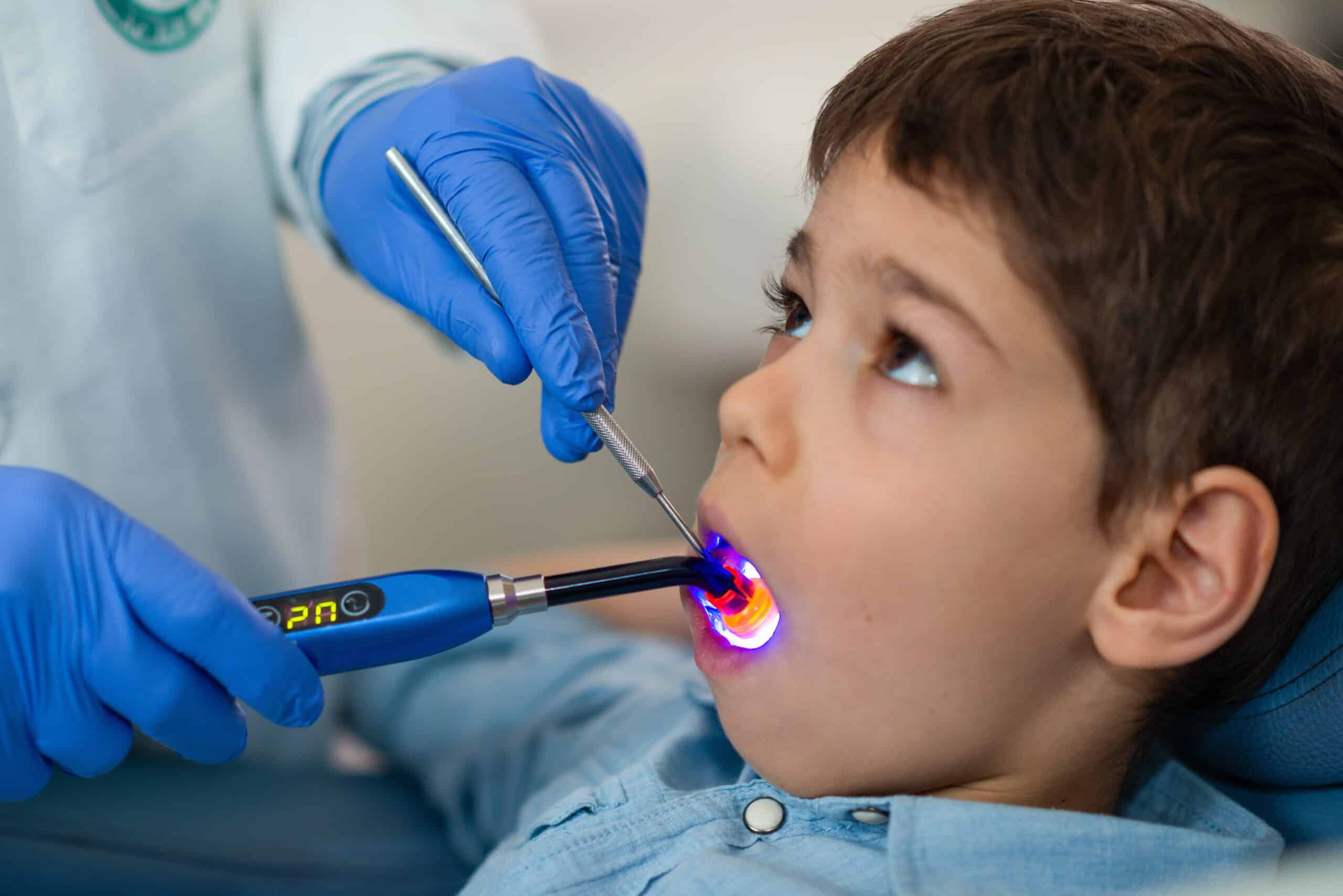
If you recently had a filling, you may feel some tenderness or pain around the treated tooth. In fact, the pain following a dental filling is quite common, and the important thing to be aware of is why it happens, and more specifically, when you should become concerned about your pain. Sensitivity to hot, cold, or sweet foods and drinks is common among patients immediately after a dental filling procedure.
For the most part, pain around a dental filling is temporary and should subside within a day or so; however, it is important to be aware of any lingering discomfort and to seek professional advice if it persists. In this blog, we will take a closer look at why this might happen, and when you will want to seek out your Irvine dentist for assessment of your filling.
The Causes of Tooth Sensitivity Following a Filling
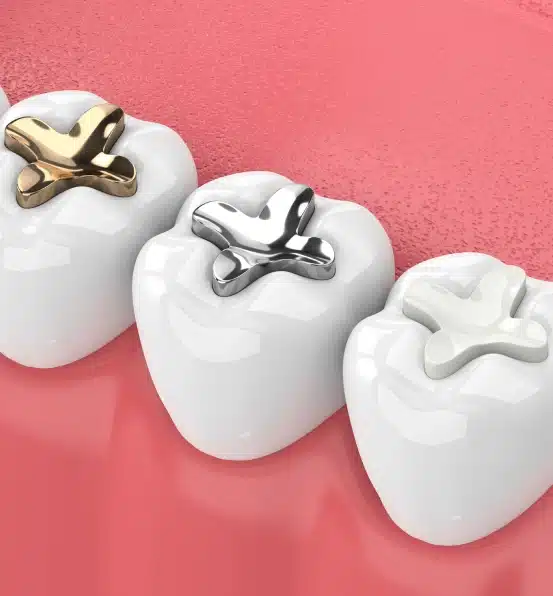
A dental filling is used to repair decayed tissue in a tooth and fill the vacant space. Fillings are made from materials such as composite resins, amalgam, or gold. The process of fitting a dental filling involves altering the tooth structure, and it can lead to temporary nerve irritation. This causes a heightened sensitivity to eating and drinking, both hot and cold. There are a variety of reasons you may have a sensitive tooth after a dental filling:
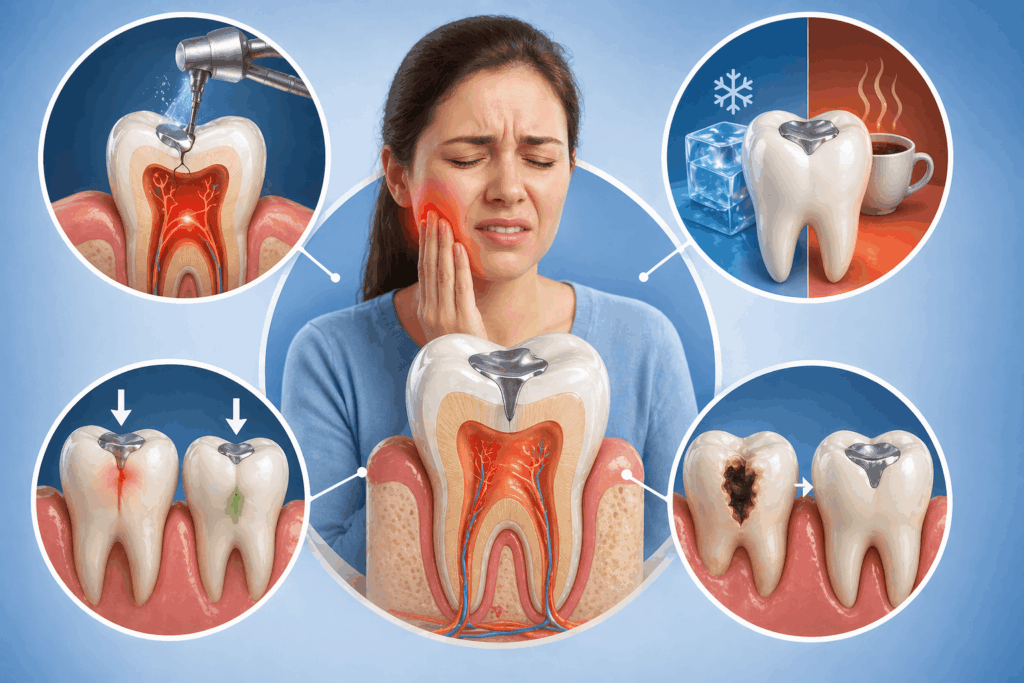
- Nerve Irritation: The nerve at the base of the tooth may be aggravated by the dental procedure. This irritation is generally only temporary and should reduce after a few days or a week.
- Temperature Sensitivity: Materials used in dental fillings change volume depending on temperature, so it can feel a little unusual as the filling and the tooth settle. You may experience heightened sensitivity to temperature while your tooth adjusts to the filling.
- Filling Placement: If a filling is placed too high or too low, it may increase pressure on the tooth, causing discomfort. If the filling is too high, this may also affect the patient’s bite, resulting in discomfort and possibly Jaw strain.
- Cavity Size: Very large cavities may produce more sensation because a filling is in place. When a large portion of the tooth has been affected by decay, the tooth may require slightly longer to settle.
How Long Will Sensitivity Last?
In most cases, sensitivity should begin to decrease and ease after a few days to a week. If the sensitivity persists after this time, it may be due to the cavity being too deep, and in this case, the pulp may have been affected.
If the sensitivity does not resolve on its own, or if the pain is significant, it is advisable to call a dentist in Irvine to evaluate your tooth and determine whether further dental work is needed, such as a root canal or a filling adjustment.
When Should You Be Concerned?
Moderate sensitivity is quite common; however, if the filling was recently placed and:
- If the sensitivity persists for more than a week or worsens, you should consult your dentist.
- You experience pain when biting down; your filling might be too high and interfering with your bite. It can be easily adjusted by your dentist.
- If you see visible damage, such as a chipped, cracked, or missing filling, you need to call a dentist.
Tips for Managing Sensitivity After a Filling
Here are a few tips to manage the sensitivity and keep your new filling healing and feeling comfortable:
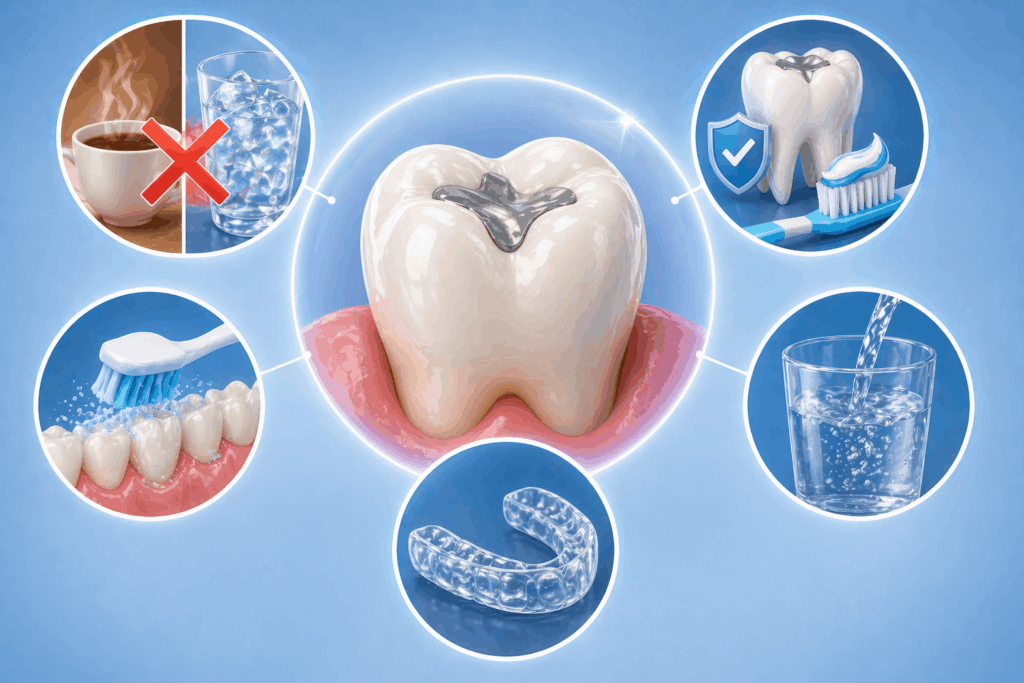
1. Steer Clear Of Hot Or Cold Food: Avoid eating extremely hot and cold foods and drinks, as this may irritate the newly filled tooth.
2. Use Toothpaste For Sensitive Teeth: Sensitive toothpastes help protect teeth and nerves from potential triggers like cold, hot, sweet, or acidic foods. They work by blocking the passage to your nerves.
3. Maintain Good Oral Hygiene: Use a soft-bristle toothbrush. Keep the area clean, but try not to over-brush or brush too hard; this can only irritate the sensitive tooth area.
4. Stay Hydrated: Drink plenty of water, which can help soothe tooth sensitivity by keeping the mouth moist.
5. Wear A Mouth Guard: If you grind your teeth, wear a mouth guard at night. This can help relieve pressure and protect the filling and teeth.
How Will A Dentist Help With The Long Term Sensitivity?
It’s important to visit your dentist if your sensitivity has been present for a long period of time. He/She will be able to diagnose the exact reason for the sensitivity and begin the correct procedure to get the teeth feeling good again:
- Examine for Underlying Issues: Your dentist will evaluate the area to check if there’s an infection, nerve damage, or an improperly placed filling.
- X-Rays for Clear Diagnosis: X-rays can help detect any deep issues, such as infections or damage to the tooth’s pulp, that may require further intervention.
- Filling Adjustment: If your filling is too high or not fitting properly, your dentist can adjust it to relieve pressure and discomfort.
- Root Canal Treatment: If the sensitivity is due to infection or nerve damage, a root canal treatment might be necessary to preserve the tooth and eliminate pain.
- Peace of Mind: A dental visit ensures that your sensitivity is either a natural part of the healing process or something that can be easily addressed before it becomes a bigger concern.
When to Seek Help for Persistent Tooth Sensitivity
While tooth sensitivity after a filling is often a temporary inconvenience, it’s important to monitor your symptoms and seek dental care if the discomfort persists. If you’re experiencing ongoing pain or discomfort after your filling, don’t hesitate to consult a dentist in Irvine. They can help identify any complications and ensure that your filling is properly placed for optimal healing.
At Renew Dentistry of Irvine, we’re here to provide you with the best care for your dental health, whether it’s managing tooth sensitivity or addressing other concerns. Call us today to book an appointment and get the personalized care you deserve.
Questions People Ask About Tooth Sensitivity After a Filling
How long does sensitivity last after a filling?
Sensitivity after a filling typically lasts a few days to a week. If discomfort persists beyond this timeframe or worsens, it may indicate an issue; it’s important to consult your dentist for further evaluation.
Can I eat after getting a filling?
You can eat after a filling, but avoid hard, sticky, or very hot and cold foods for the first few hours. This helps prevent irritation to the treated area while it adjusts to the filling.
What causes sensitivity after a filling?
Sensitivity can be caused by nerve irritation during the filling process, temperature changes, or the filling affecting your bite. It’s common and usually temporary, but if it persists, a dentist should assess it for potential issues.
How can I stop my tooth from being sensitive after a filling?
Use toothpaste for sensitive teeth, and avoid foods and drinks that trigger discomfort. Gently brush with a soft-bristled toothbrush, and consider rinsing with a mouthwash designed to soothe sensitive teeth.
Should I be worried if my tooth hurts after a filling?
Mild pain or sensitivity is normal, especially during the first few days. However, if the pain persists or worsens, it’s important to consult your dentist to ensure that there are no complications, such as a misaligned filling or infection.
What happens if the filling doesn’t fit properly?
If the filling doesn’t fit properly, it can cause discomfort, sensitivity, or problems with your bite. Your dentist can adjust the filling to ensure it fits well and functions properly, preventing further issues or discomfort.