$99 New Patient Special. Learn more →
If you’ve ever wondered whether your dental restorations last 10 years or 30 years in Woodbridge, you’re asking exactly the right question. The answer depends on several important factors. Some restorations hold up beautifully for decades. Others fail far sooner than expected — often for preventable reasons.
At Renew Dentistry of Irvine, Dr. Peter Lim helps patients understand what affects restoration lifespan. With the right care and the right materials, your investment can last much longer than you think.
How Long Do Common Dental Restorations Last in Woodbridge?
Different restorations come with very different lifespans. Understanding these ranges helps you set realistic expectations.
- Dental fillings (composite): 7–10 years on average
- Dental fillings (amalgam): 10–15 years or longer
- Dental crowns: 10–30 years depending on material and care
- Dental bridges: 10–20 years with proper maintenance
- Dental implants: 25+ years — often a lifetime solution
- Porcelain veneers: 10–20 years with good oral hygiene
- Dentures: 5–10 years before refitting may be needed
These are averages, not guarantees. Your daily habits play a massive role in where your restoration falls on this spectrum. A crown placed with excellent technique can fail in five years with poor home care. Conversely, a well-maintained veneer can outlast its average lifespan by a decade.
What Shortens the Lifespan of Your Dental Restorations?
Many patients in Woodbridge are surprised to learn that lifestyle habits — not just material quality — shorten restoration life. Awareness is the first step toward change.
The most common culprits include teeth grinding, also called bruxism. This habit places enormous pressure on crowns, veneers, and fillings. Over time, that pressure causes chipping, cracking, and premature wear.
Diet also matters significantly. Highly acidic foods and sugary drinks erode both natural enamel and restoration materials. Hard foods like ice and hard candy can fracture even strong ceramic restorations.
Here are other common factors that reduce restoration longevity:
- Skipping regular dental cleanings and checkups
- Poor brushing and flossing technique
- Using teeth as tools to open packaging
- Smoking or tobacco use, which weakens gum tissue
- Delaying treatment when a restoration feels loose or uncomfortable
Neglecting early warning signs is especially damaging. A small crack in a crown can become a serious fracture if left untreated. Catching problems early protects both your restoration and the underlying tooth structure.
What Extends the Lifespan of Your Restorations?
The good news is that restoration longevity is largely within your control. Patients who take a proactive approach often see their restorations last far beyond average estimates.
Consistent oral hygiene is the single most important factor. Brush twice daily with a soft-bristle toothbrush. Floss every day, paying attention to the margins where restorations meet gum tissue. Bacteria tend to accumulate in these areas and can cause decay beneath a restoration.
Wearing a custom nightguard protects restorations if you grind your teeth. Dr. Peter Lim can evaluate your bite and recommend a nightguard designed specifically for your jaw. This simple device can add years to a crown or veneer.
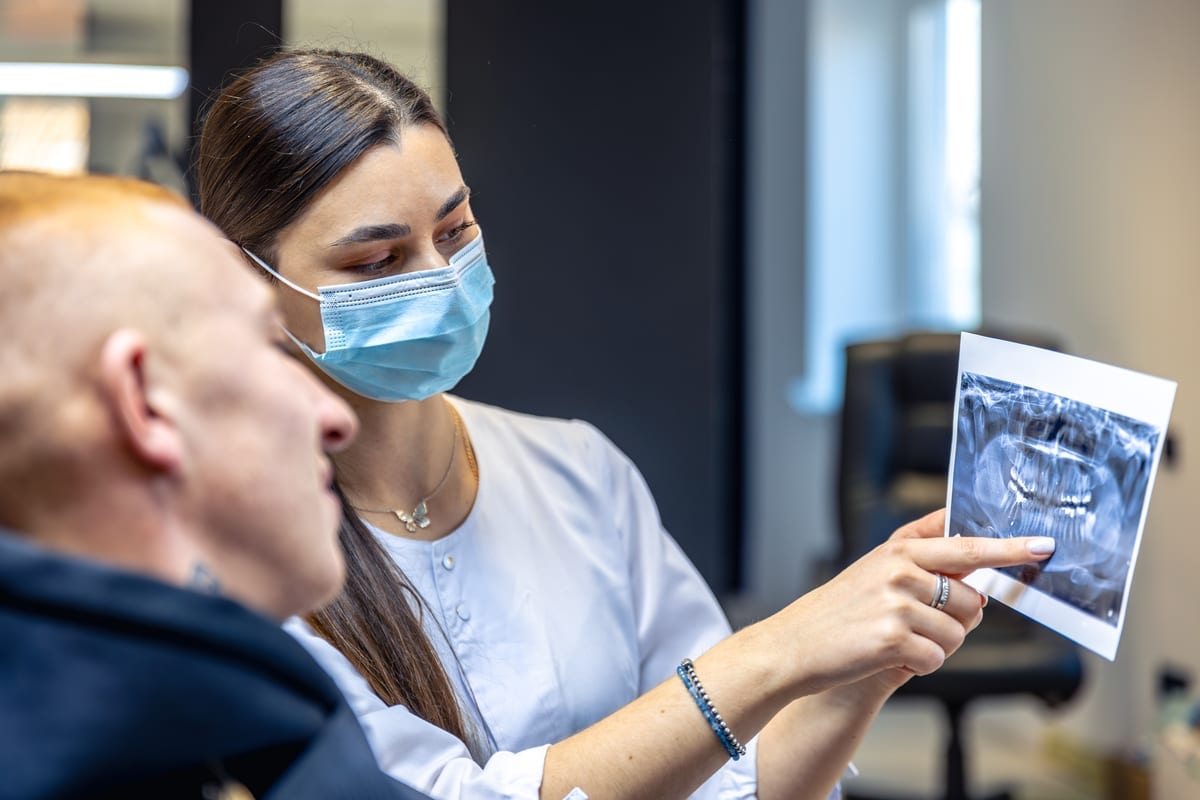
Attending regular checkups twice a year allows your dentist to spot early signs of wear. Digital X-rays and clinical exams reveal problems that aren’t yet visible or painful. Addressing minor issues early prevents costly replacements later.
Choosing high-quality materials also matters. Not all crowns or veneers are created equal. Zirconia crowns, for example, are significantly more durable than older porcelain-fused-to-metal options. Dr. Lim discusses material options with every patient so you understand the trade-offs before treatment begins.
Ongoing Maintenance: What to Expect After Restoration Placement
Once your restoration is in place, maintenance becomes your ongoing responsibility. The first few weeks after placement are especially important for adaptation.
You may notice mild sensitivity following a crown or filling. This is normal and typically resolves within a few weeks. Avoid extremely hot or cold foods during this period. If sensitivity persists beyond a month, contact your dentist promptly.
Long-term maintenance involves more than brushing and flossing. Professional cleanings remove calculus buildup that cannot be addressed at home. Hygienists also polish restoration surfaces, which reduces staining and surface roughness over time.
If you ever experience sudden pain, a loose restoration, or visible damage, seek care quickly. Renew Dentistry of Irvine offers Emergency Dentistry for patients who need prompt attention. Waiting too long after a restoration failure can lead to infection or significant structural damage to the tooth.
Some patients feel anxious about dental visits, which causes them to delay necessary checkups. If dental anxiety affects you, ask about Sedation Dentistry options. Comfortable, stress-free visits make it much easier to stay consistent with your care schedule.
How Dr. Peter Lim Approaches Restoration Longevity in Woodbridge
Dr. Peter Lim takes a conservative, patient-centered approach to restorative dentistry. He focuses on preserving as much natural tooth structure as possible during every procedure. Less removal of healthy enamel means a stronger foundation for any restoration placed.
Every treatment plan at Renew Dentistry of Irvine includes a discussion about expected lifespan. Dr. Lim explains which materials are most appropriate for your specific bite, lifestyle, and budget. He believes informed patients make better long-term decisions about their oral health.
Follow-up care is built into every treatment. Whether you’ve received a crown, a bridge, or dental implants, your care team tracks the condition of your restorations at every visit. This proactive monitoring catches wear patterns before they become serious problems.
For Woodbridge patients asking whether dental restorations last 10 years or 30 years, the honest answer is: it depends on you and your provider. Choosing an experienced, detail-oriented dentist like Dr. Lim dramatically improves your odds of achieving the longer end of that spectrum.
Ready to protect your smile and get more out of your dental restorations? Book Now to schedule your appointment with our team.
Frequently Asked Questions
How long do dental crowns typically last?
Dental crowns typically last between 10 and 30 years. Lifespan depends on the material used, your bite, and how well you care for the crown at home. Zirconia and porcelain crowns placed with precision and maintained well often reach the upper end of this range.
Can a dental restoration be repaired instead of replaced?
In some cases, yes. Small chips in a crown or veneer can sometimes be smoothed or bonded. However, significant fractures or restorations with decay underneath usually require full replacement. Dr. Peter Lim evaluates each situation individually to recommend the most conservative option.
Does teeth grinding really damage restorations that much?
Yes, bruxism is one of the leading causes of premature restoration failure. The repeated pressure and friction erode materials faster than normal chewing would. A custom nightguard is one of the most effective ways to protect your restorations if you grind your teeth during sleep.
How do I know if my dental restoration needs to be replaced?
Common signs include visible cracks, sensitivity to temperature, pain when biting, or a loose or shifting feeling. Sometimes damage is only detectable through X-rays or a clinical exam. This is why regular checkups are essential — problems caught early are much easier and less costly to address.
Are dental implants really a lifetime solution?
Implants are the most durable restoration option available. The titanium post that integrates with your jawbone can last a lifetime with proper care. The crown attached to the implant may need replacement after 15–25 years, depending on wear. Overall, implants offer the best long-term value for tooth replacement.