$99 New Patient Special. Learn more →
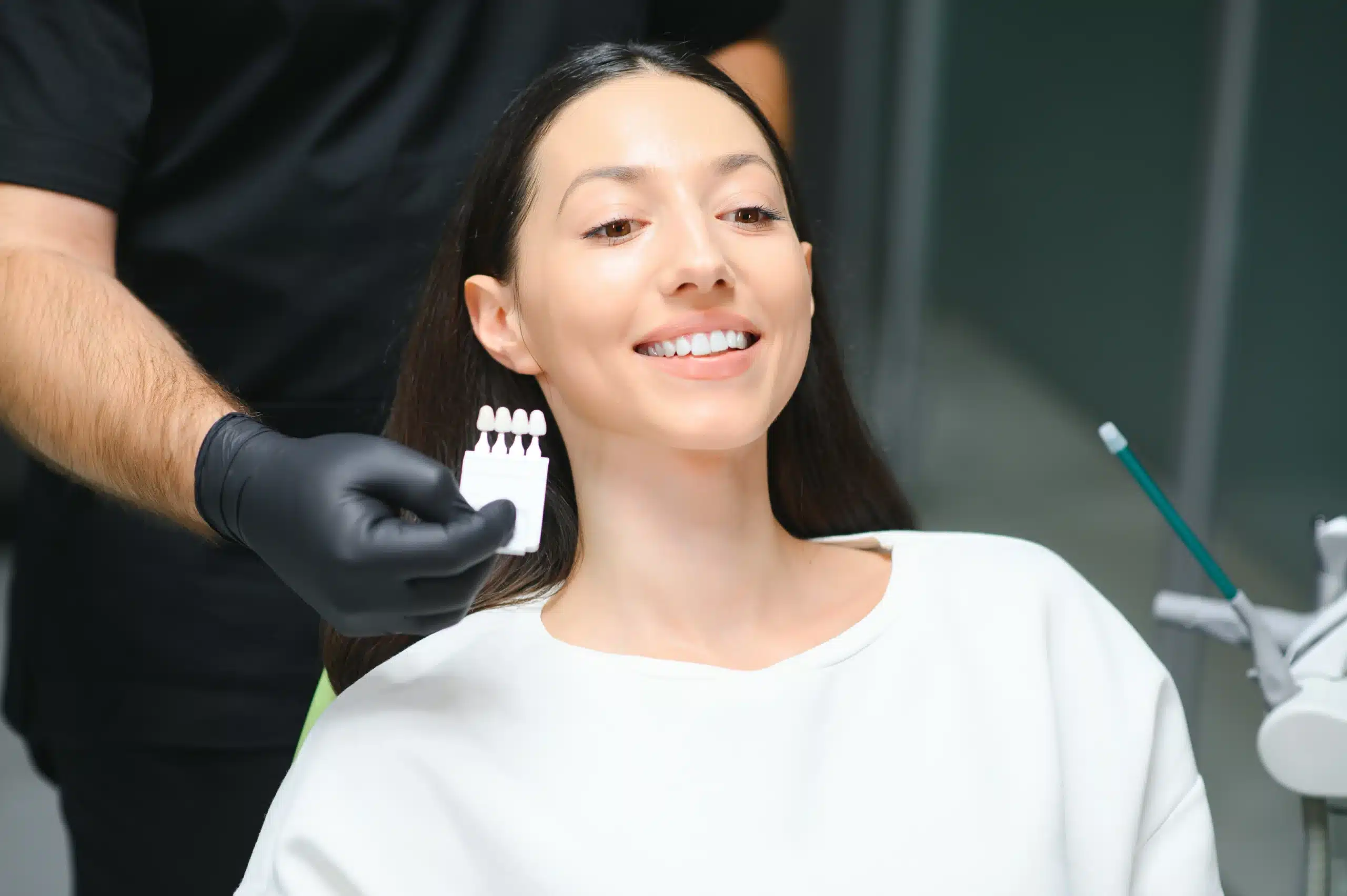
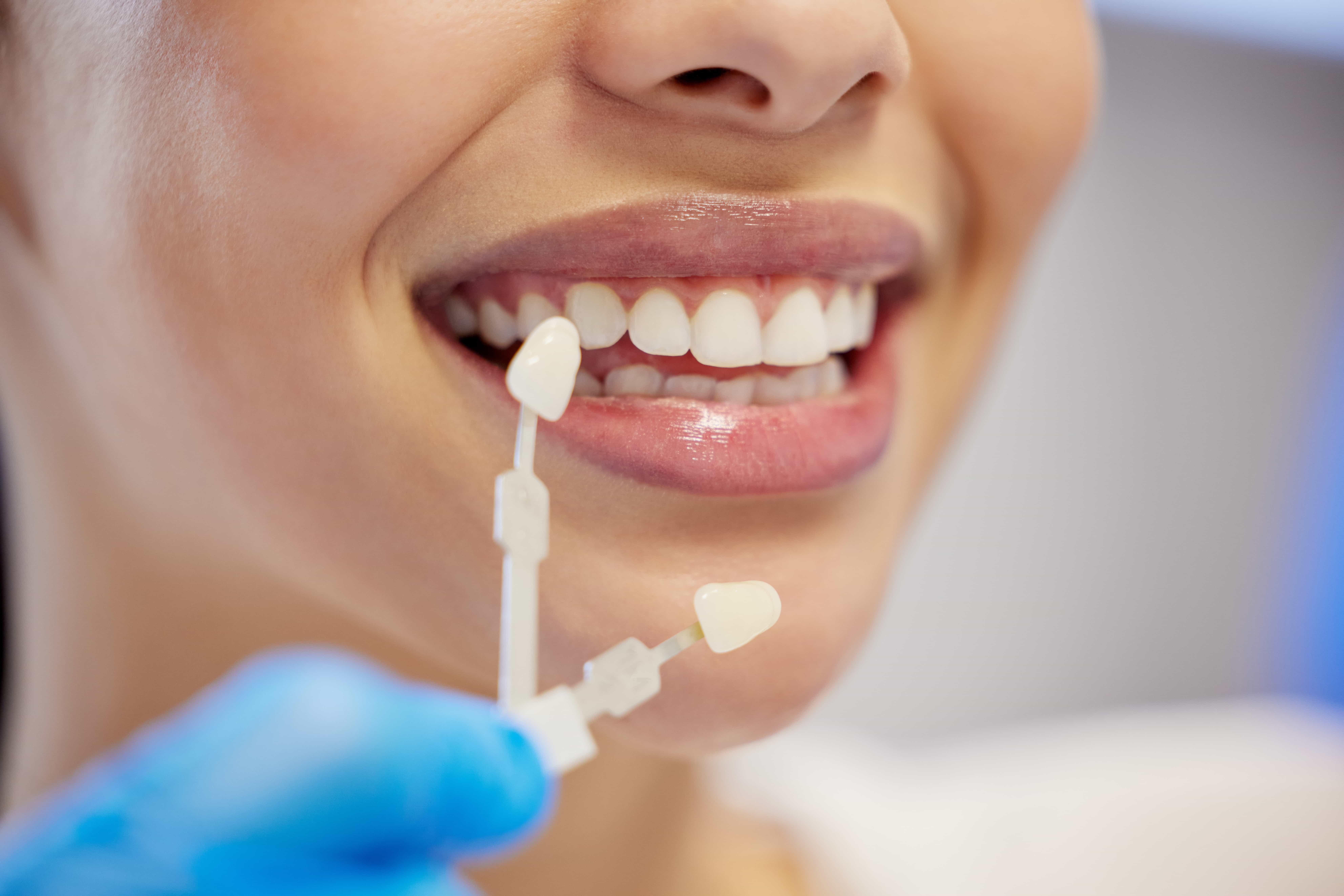
Dental veneers have been used to improve the cosmetic appearance of your smile. No matter how you want to repair chipped, discoloured, or uneven teeth, veneers can show you a natural-appearing effect that is lasting. However, what is the lifespan of dental veneers, and how is their durability influenced? Dr. Peter Lim of Renew Dentistry of Irvine shares his thoughts on the lifespan of dental veneers and how dental veneer works. This blog will discuss how long veneers last, post-care, and what may shorten their lifespan.
How Long Do Different Types of Veneers Last?
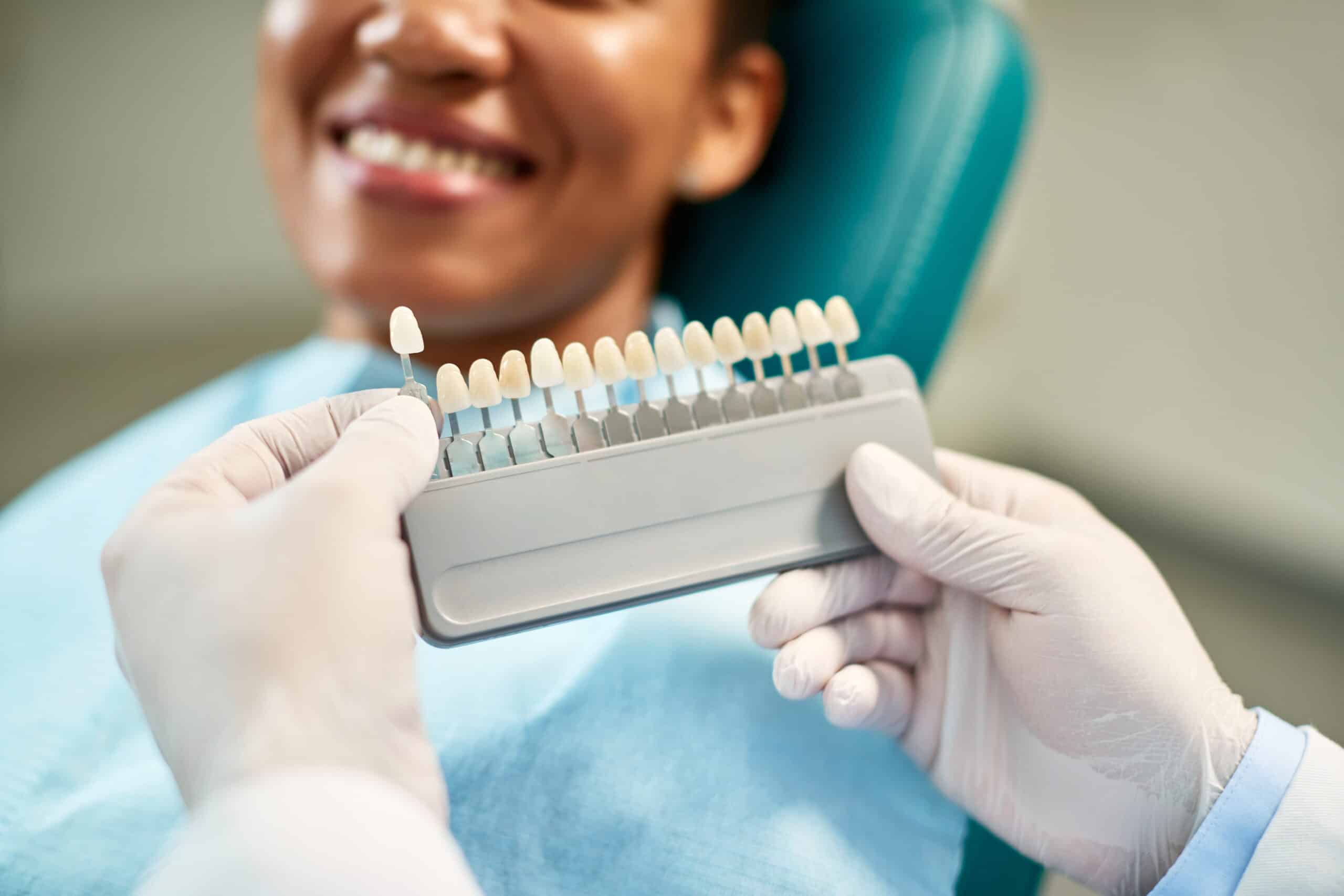
Speaking of the durability of veneers, several alternatives can be mentioned. There are two main types: porcelain and composite veneers. They both have unique pros and cons that may affect their service life.
Porcelain veneers: Porcelain is the hardest dental veneer material. Porcelain veneers can be expected to last 10-15 years with efficient care. This long life is attributed to porcelain’s resistance to staining and its natural, toothlike appearance.
Composite veneers: Composite resin can be considered a great alternative to porcelain. However, they are not as durable. The composite veneers should last 5-7 years before requiring replacement or a makeover. Even though composite veneers are more likely to stain and deteriorate faster, they remain a good alternative when a patient needs a temporary or cost-saving solution.
Composite veneers vs. porcelain veneers: Cost, durability, and appearance are the primary considerations. Porcelain veneers are more rigid and less prone to staining, but composite veneers are easier to repair and require fewer repairs. Porcelain veneers are a great option if you are seeking a long-lasting solution with minimal maintenance. Nevertheless, composite veneers can be a good solution when you have a limited budget or do not need to use them long-term.
Aftercare Tips for Long-Term Durability
Your veneers will not last long without proper care and maintenance. The following are some of the guidelines that make the veneers last longer:
- Professional cleaning: Veneers also need professional cleaning as frequently as natural teeth to remove plaque and tartar buildup.
- Veneer polishing: With professional polishing, your veneers will remain shiny and stain-resistant.
- Dental sealant: Your cosmetic dentist should explain why it is advisable to apply dental sealant around your veneers to prevent them from being ruined or stained.
- Bite adjustment: In case you find that your veneers are causing you a lot of discomfort, you may go to your cosmetic dentist and have the bite adjusted back to normal.
- Avoid excessive pressure: Don’t bite down on hard objects like ice or pens, as this could damage your veneers.
Key Factors to Avoid for Lasting Results
As long as veneers are constructed to be strong and tough, however, habitual behaviors are likely to reduce their lifespan. To make the most of your veneers, do not do either of the following:
- Teeth grinding: It is advisable to wear a mouthguard at night to prevent your veneers from being ground down.
- Sticky foods: When filled with chewy or gum-filled candies, the candy may put undue stress on your veneers, causing them to chip or wear off.
- Overdrinking: Drinking alcohol can be risky for your oral health as it weakens the bond between veneers and teeth; therefore, it is essential to limit your intake if you have veneers.
Veneer cost is also another key factor. Porcelain veneers are significantly more costly than composite veneers, yet the cost can be justified over time. They may cost more, but they last longer and look good, so many patients would find it worth considering.
Why Do Veneers Need to Be Replaced Over Time?
Even with the most careful attention, the veneers will still have to be replaced. This is so because, in the course of time, they may start reflecting wear such as:
- Chipping or cracking: When the veneer is damaged, it might require replacement to look normal again.
- Staining: Although porcelain is highly resistant to staining, composite veneers are susceptible to color changes.
- Wear and tear: Some veneers can also wear out as you grow older; also, when you have certain habits like grinding teeth or clenching.
The veneers are an easily replaceable material and only require the old veneer to be removed and a new one to be bonded in place. Appropriate follow-ups with a cosmetic dentist in Irvine should be conducted regularly to ensure the health of the veneers and to arrange their replacement.
Conclusion: Maintaining Your Smile with a Cosmetic Dentist in Irvine
At Renew Dentistry of Irvine, Dr. Peter Lim focuses on helping patients make the most appropriate veneer decision, taking into account their needs, financial capacity, and lifestyle. By following the correct aftercare advice and regular checkups, you will not regret it; your veneers will stand the test of time and serve their purpose for many years. Whether you are contemplating the use of veneers or even wishing to know more about the way that they can enhance your smile, then you need not look far since you can call an appointment to our dental office today.
Common Questions People Ask
How long do porcelain veneers last compared to composite veneers?
The average lifespan of porcelain veneers is 10-15 years, while that of composite veneers is 5-7 years. Porcelain is more durable and resists staining better than composite; therefore, it is the best solution for long-term use.
Do veneers require any special care to last longer?
The answer is yes. Veneers require a maintenance schedule to maximize their life span. Some of the most important things you should do to maintain your veneers are: have them professionally cleaned and polished regularly; avoid hard or sticky foods that could damage them; and wash them after meals.
If a veneer is damaged, what happens next?
In most cases, veneers may be repaired if they chip or crack. But if the damage is extensive, they will likely require replacement; porcelain veneers, specifically, may need to be replaced entirely.
Do veneers stain over time?
Porcelain veneers are stain-resistant; however, composite veneers can stain if you consume foods or drinks that could stain. It is important to maintain routine dental visits for all your dental needs, including keeping up on your veneers.
Can I get veneers on my back teeth?
Yes, veneers can be applied to both front and back teeth, but back teeth often experience more wear and tear, which can affect their longevity. For those areas, dental crowns may be a better option.